


If you have ever glanced at Casino Classic’s live dealer lobby, you’ve probably seen the blackjack tables are always buzzing https://casinoclassiccanada.ca/. Let me provide you a clear, no‑nonsense guide of the workings of live blackjack at a standard Canadian‑facing table, so you can grab a seat and start your first hand without doubting yourself. The entire arrangement merges the simplicity of online play with the atmosphere of a genuine casino floor: you observe a professional dealer shuffle, deal, and converse with you using a high‑definition video stream, all in real time. I will cover the aim, card values, table layout, and the options you have.
Understanding the Primary Objective of Live Blackjack
The goal is clear: come nearer to 21 than the dealer without busting. You’re not playing against the fellow people at the table — even if their screen names or video streams show up next to you. Everyone at the table competes against the house hand separately. I’ve observed many new players think they have to outscore the adjacent seats. That’s not the situation. The dealer follows fixed drawing regulations, and you decide what to do with your own hand. The real excitement stems from watching the dealer flip that hole card live on the feed.
If your hand exceeds 21, you go bust and lose your bet at that moment, no matter what the dealer does. If your total is closer to 21 than the dealer’s and you haven’t busted, you win even money on your main bet. A natural blackjack — an ace paired with any ten‑value card as your first two cards — normally pays out 3 to 2. Some tables modify that payoff, so I always verify the limit sign before I join in the live lobby. The real skill comes down to when to draw, hold, split, and increase your bet.
One detail that often is missed: if the dealer exceeds 21, each hand still in the game wins. Even if you’re sitting on a measly 14, you win. That basic fact shapes a lot of basic strategy. Your task is to push the hand toward a total that survives, not to pursue a flashy 21. The game favors patience. And because the shoe is shuffled and the cards are distributed right on your screen, the whole experience is clear.
How the Live Experience Functions on Any Device in Canada
Casino Classic’s live blackjack streams function on desktops, tablets, and phones — usually without having to download a separate app. The responsive web platform resizes the betting panel, video window, and chat box to fit your screen. I’ve loaded a table on my iPhone while killing time for a domestic flight in Canada, and the cards stayed crisp. A solid internet connection is more important than a fancy device, because the HD video feed eats bandwidth the whole time you’re playing.
Operators that cover Ontario and other Canadian provinces must meet strict technical and fairness standards. The live studios operate with professional dealers at dedicated tables, usually in European or North American filming hubs. You’ll spot multiple camera angles — the shoe, the felt, the dealer’s hands. An optical character recognition system identifies each card as it’s drawn and displays the value on screen, so there’s no guesswork. The end result is a game where you can actually verify every result.
Depositing to get into a live blackjack table generally goes through Interac e‑Transfer, credit cards, or digital wallets that are broadly accepted across Canada. Withdrawals come back through the same trusted channels, and I constantly check the processing times in the banking section. Casino Classic functions under established licensing and presents its credentials right on the site. That counts to me, because regulatory oversight guarantees the live game results aren’t being manipulated behind the scenes. That peace of mind is massive when real money is on the line on every split and double.
Value of Cards and What Is Important in Your Hand
Getting comfortable your hand values is the fundamental ability. Cards numbered 2 through 9 are valued at face value. Tens, jacks, queens, and kings each are worth 10. The ace is the versatile one — it can be 1 or 11, based on which value maintains your hand. A hand that includes an ace counted as 11 is called a soft hand. If a hit would cause you to bust unless the ace is reduced to 1, the hand becomes hard. That soft versus hard distinction affects every decision you’ll make.
When you hold an ace and a 6, you’ve got soft 17. It’s not just a 17; the ace gives you wiggle room to draw another card aggressively without danger of busting immediately. If you draw a 10, the ace turns into 1 and you’re left with a hard 17. That soft versus hard subtlety is what distinguishes casual players from sharp recreational gamblers. In Casino Classic’s live dealer interface, the software normally indicates your running total alongside your bet, so you don’t have to do mental math while you focus on strategy.
A 21 with two cards with an ace and a ten‑value card is a natural blackjack. That is better than a dealer’s 21 with multiple cards. If both you and the dealer have a natural, it’s a push and your bet comes back. A 21 built with three or more cards is just 21, and it loses to the dealer’s natural. The order matters. That’s why you don’t hesitate when you’re dealt a blackjack — the dealer resolves it straight away and you don’t get to do anything else.
Table Layout and The Flow of a Live Round
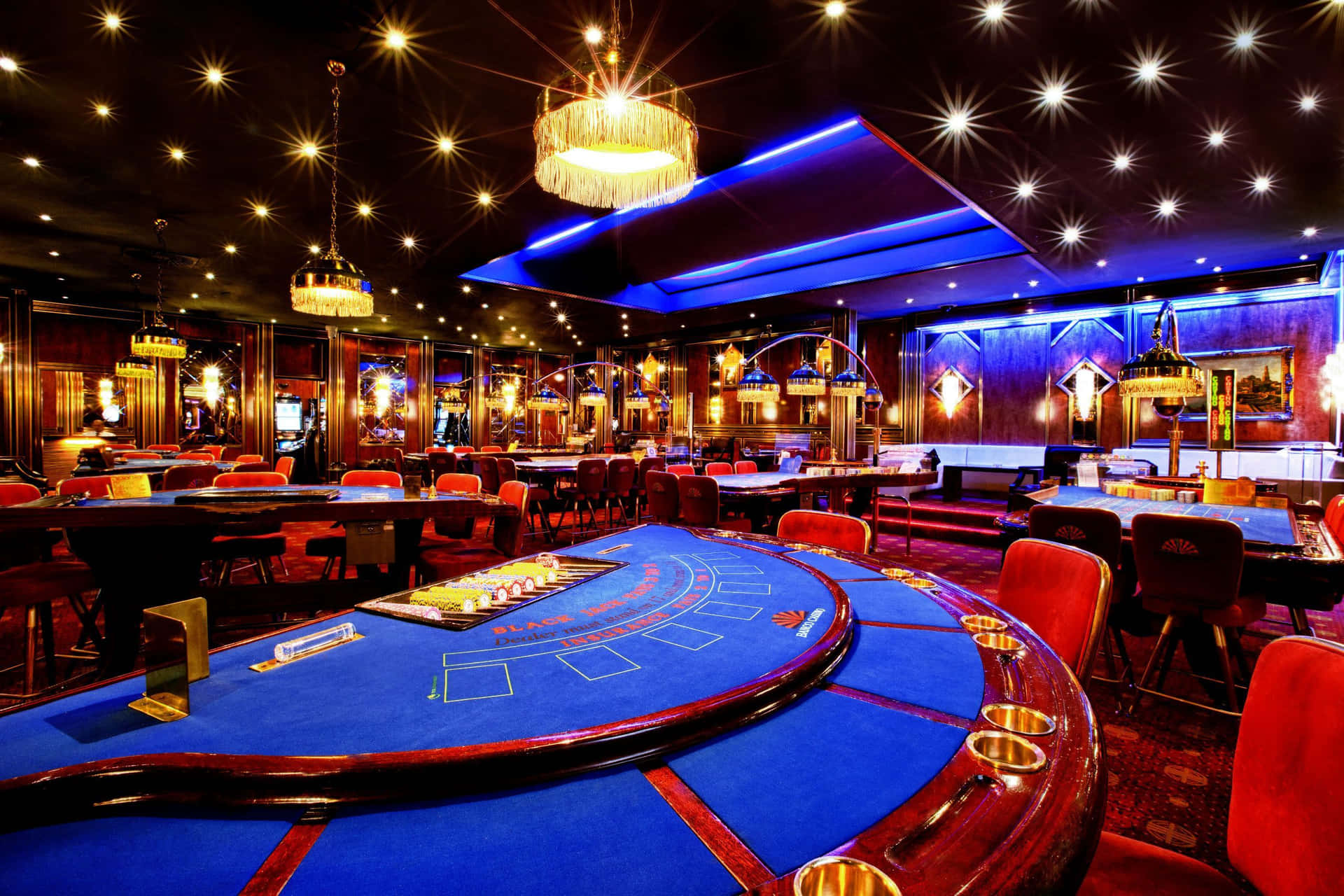
A real-time blackjack table targeted at Canadian players generally accommodates up to seven spots at once. You choose an open seat and put down a bet between the listed minimum and maximum. When the betting timer ends, the dealer hands out one face‑up card to each player from left to right, then one to themselves. Everyone is dealt a second face‑up card, and the dealer’s second card lands face down — that’s the hole card. Every move and turn is crystal clear on the stream, and that visual transparency creates trust.
I watch the chat box and the dealer’s verbal prompts to keep up with the flow. Action kicks off with the player on the dealer’s left. You use on‑screen buttons to determine how to play your hand. Most live blackjack games utilize a multi‑deck shoe — usually six or eight decks shuffled together. That reduces the predictability of single‑deck play and preserves the house edge steady. The dealer takes cards until reaching a hard 17 or higher. One rule worth noting is whether the dealer holds or hits on soft 17, because that changes the odds slightly.
The shoe is positioned right beside the dealer, often marked with a transparent card that shows when a reshuffle is coming up. That visible inventory is a signal that card removal effects are real, but they are diluted across many decks. Some European‑style variations skip the hole card entirely, so the dealer waits to check for blackjack until after all players have acted. Whenever I access a Casino Classic table, I glance at the rules panel next to the dealer’s screen to see which style I’m playing.
Additional Wagers, Protection, and Extra Betting Possibilities
Plenty of live blackjack tables offer optional side bets that pay out separately from the main hand. Perfect Pairs wins if your first two cards are a pair of the same rank. Payouts jump if you get a coloured pair (same colour but different suits) or a suited pair. The 21+3 bet uses your two cards and the dealer’s upcard to make a three‑card poker hand. A flush, straight, or three of a kind pays out. These side bets have a higher house edge than the main game, so I add them for fun, not as a foundation.
Insurance is the classic extra bet that pops up when the dealer shows an ace. You can wager up to half your original bet that the dealer has a ten‑value card in the hole for a natural blackjack. If they do, insurance pays 2 to 1, which cancels out your main bet loss. In multi‑deck games, insurance has a house edge around 7 percent unless you’re counting cards with real precision. I pass on it during recreational live play and stick to my hand decisions.
Some tables also have a “Bet Behind” option. If the table is full, you can wager on another player’s hand. You win or lose exactly what they do — you adhere to their hit, stand, double, and split decisions without any input. It’s a way to remain engaged while you wait for a seat. Before I place a bet behind someone, I observe their play for a few hands. Someone sticking to basic strategy is a safer ride than a wild gambler. Casino Classic’s live platform marks the option clearly when it’s available.
The main key choices you control
When your first two cards land, the interface shows clearly labelled buttons. landing page Take a card to ask for another card. You can hit as many times as you like until you hold or bust. Stay locks your total and passes the action. Double down means you double your original bet and agree to stand after exactly one more card. I find doubling gives you the most edge when the dealer shows a weak upcard like a 5 or 6, and you’re holding a hard 9, 10, or 11.
Splitting is an option when your first two cards are the same rank. You put up a second bet equal to the first, and the dealer splits the pair into two separate hands. You play each one normally. Splitting aces is a special case: many tables give you just one extra card per split ace and won’t let you resplit aces again. The interface shows any split restrictions before you confirm. Whether you can double after a split changes the math of the best play, so it’s worth checking.
Some tables offer surrender. Late surrender lets you forfeit half your bet and fold after the dealer checks for blackjack. It can save you from a hopeless spot, like holding a hard 16 against a dealer 10. Not every table has it, so I look at the rules panel as soon as I sit down. Canadian online casino games that operate under reputable licensing bodies usually display all the rules in an expandable tab during live sessions at Casino Classic.
- Hit: Ask for another card to raise your total.
- Stand: Hold your current total and pass the turn.
- Double Down: Multiply the bet, take one card, then stand automatically.
- Split: Separate matching pairs into two hands with an equal extra bet.
- Surrender: Concede half your stake and leave the round before playing further.
Implementing Basic Strategy Without Needing Memorizing Everything
Basic strategy represents a set of mathematically proven rules that indicates the best move for every hand against every dealer upcard. It cuts the house edge down to about 0.5 percent in standard multi‑deck games. I employ a simplified version instead of carrying a chart. Stand on hard 12 through 16 when the dealer shows a 2, 3, 4, 5, or 6 — those upcards make the dealer more likely to bust. Take a card on those same totals when the dealer shows a 7 or higher, because you need a better hand to beat a likely made total.
Always split aces and eights. Splitting aces gives you two shots at landing a 10 for a 21. Splitting eights saves you from the worst hand in blackjack — a hard 16 — and gives you two fresh starts at 8. Never split tens. A hard 20 is already a monster; it beats everything except a dealer blackjack or 21. Doubling down on 11 against any dealer upcard except an ace is a core profitable move. When the dealer shows an ace, I hit 11 instead of doubling in most multi‑deck live games.
Soft hands up to 17 are almost always hit or doubled. Soft 18 has a split personality: stand against a dealer 2, 7, or 8, but hit against 9, 10, or ace. Doubling soft 17 against a 3 through 6 is a strong, aggressive play. Even if you don’t memorize every branching line, sticking to these anchor points will keep you out of the most expensive mistakes. I keep a strategy chart thumbnail open on my phone during my first few live sessions at Casino Classic until the patterns become second nature.
Typical Errors I Watch For at the Live Table
A mistake I see over and over is treating soft totals too cautiously. People play soft 17 like a hard 17 and stay. You’re missing free draws on the table — a single hit can’t break you. Another common mistake is reflexively buying insurance every time the dealer shows an ace. Over time, that behavior eats into your bankroll. I convince myself that insurance is a separate bet with its own calculations; it’s not a shield for your main hand. Emotional protection isn’t the same as statistical safeguarding.
Pursuing losses by doubling or splitting recklessly is another danger. The live dealer moves at a steady pace, and the betting timer can generate a false sense of urgency. I consciously pause before I tap the double‑down button to make sure the play lines up with basic strategy. This game doesn’t favor speed. Most interfaces provide you a generous decision timer, so you can confirm a strategy chart if you have to. If you get rushed, be cautious and preserve your bankroll for the next hand.
Overlooking the table rules until a dispute emerges is unnecessary stress. Some tables mandate the dealer to hit soft 17, which moves the house edge a little greater than a stand‑on‑soft‑17 table. Others might confine doubling to hard 9, 10, or 11 only. Spotting those fine‑print details before you wager lets you secure the seat with the best terms. Casino Classic usually displays rule variations in the lobby thumbnail or an in‑game menu, so I click that info panel during my first minute at a new table.
One last thing: neglecting to manage your session time can transform a fun evening into a haze. Live dealer games mix entertainment and social interaction so smoothly that hours disappear. I set a rough exit point before I join, win or lose. The live chat, the polished studio, and the dealer’s commentary make blackjack truly absorbing. With steady strategy and a handle on the rules, the game rewards measured play and transforms the built‑in house edge into a fun, sustainable test for Canadian players.